                |
|
Customer onsite workshop can also be conducted for customers in Karachi, Lahore, and Islamabad
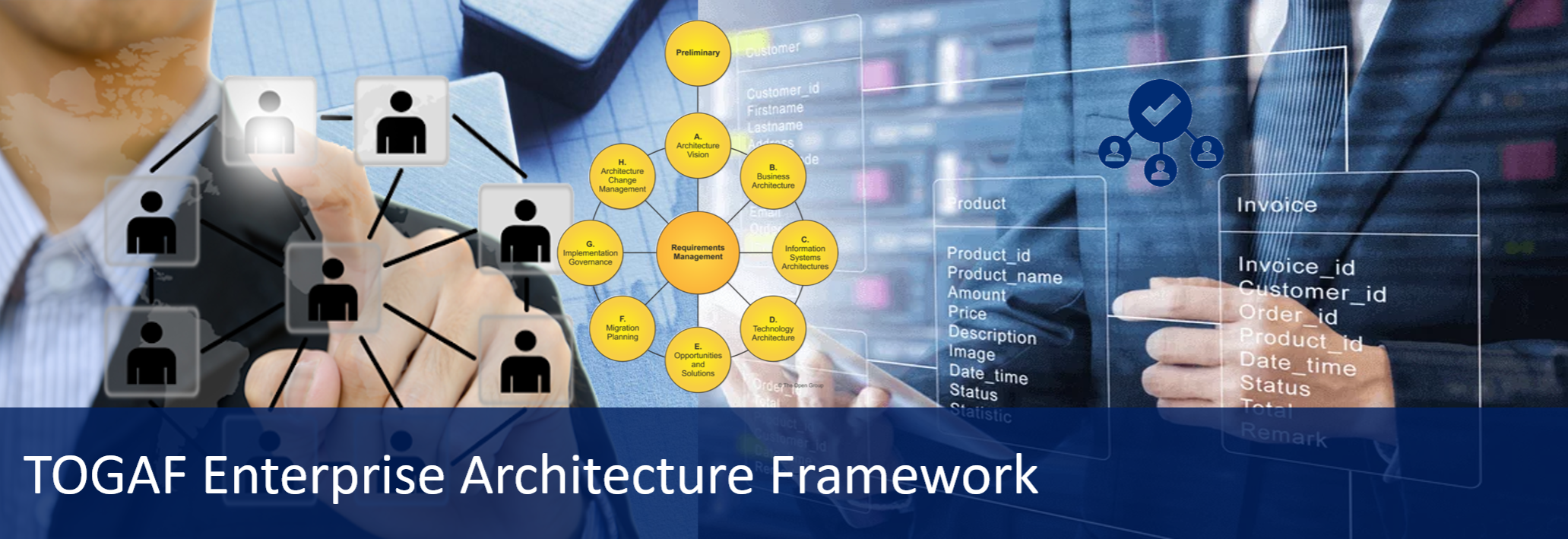
Enterprise architecture is vital in guiding digital transformation efforts within an organization. It provides a detailed overview of the internal systems, processes, and data flows, enabling organizations to identify improvement areas and innovation opportunities. Enterprise Architecture is a discipline that aligns the complex business and IT structures within large-scale organizations. It is a strategic and technical role that introduces practical standards across departmental units.
In a nutshell, the goal is to streamlining processes, analyzing current trends in technology architecture, and making sure that IT strategy is aligned with the organization’s mission. It’s an effective methodology for performing planning, budgeting and forecasting exercises as one team against targeted projects vs resources required and overall efforts and challenges to close enterprise projects in time with higher rate of success. This two-day workshop will help teams with the fundamental knowledge on TOGAF Enterprise Architecture for creating technology roadmaps with an objective to perform risk free planning, forecasting & budgeting exercises. The training course flow will be a mix of lectures & classroom discussions so that participants can have a detailed understanding of various components of TOGAF Enterprise Architecture. ABOUT THE
INSTRUCTOR Our instructor holds various industry professional certifications in the space of enterprise servers and storage technologies, Information Security, Enterprise Architecture, Blockchain, ITIL, Cloud, Virtualization, Green IT, and a co-author of 10 IBM Redbooks and have designed and developed 70 plus courses based on storage, information security, cybersecurity, enterprise architecture, Blockchain, Open Banking Framework and digital technologies stacks. The training course flow will be a mix of lectures & classroom discussions so that participants can have a detailed understanding of various components of TOGAF Enterprise Architecture Framework along with a mapping of TOGAF ADM with Digital Transformation Architecture Framework phases.TARGETED
AUDIENCE WHAT IS THE
VALUE OF ENTERPRISE ARCHITECTURE?
In a nutshell, it helps organizations of all sizes to fully understands the core business needs and how to improve processes. The value of enterprise architecture is best seen through improvement in data management, application development, IT infrastructure, business processes, and overall organizational impact. PREREQUISITES:
COURSE OUTLINE
|
|
|
|
|
 State Bank of Pakistan, FINCA Microfinance Bank Ltd, Mobilink Microfinance Bank Ltd, MCB Bank Ltd, and ETSS have attended a two day online workshop on "TOGAF Enterprise Architecture Framework" in Karachi imparted by TLC on November 24 - 25, 2020. |

|
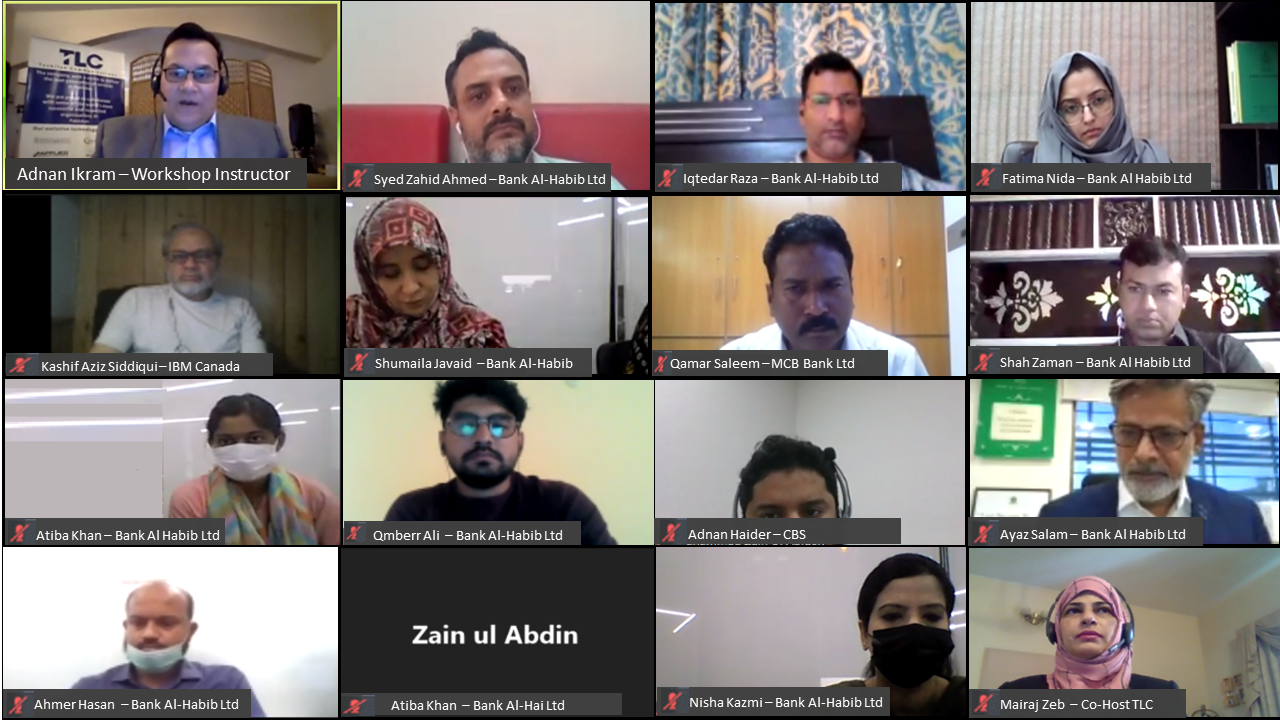 Bank AL-Habib Ltd, MCB Bank Ltd,
and IBM Canada have attended a two day |
%20-%20October%2013%20-%2014,%202021.png) Bank AL-Habib Ltd, Informa UK,
Megaplus Pakistan and CBS have attended |
|
Bank AL-Habib Ltd,
National Bank of Pakistan and English Biscuit
Manufacturers (Pvt) Ltd
|
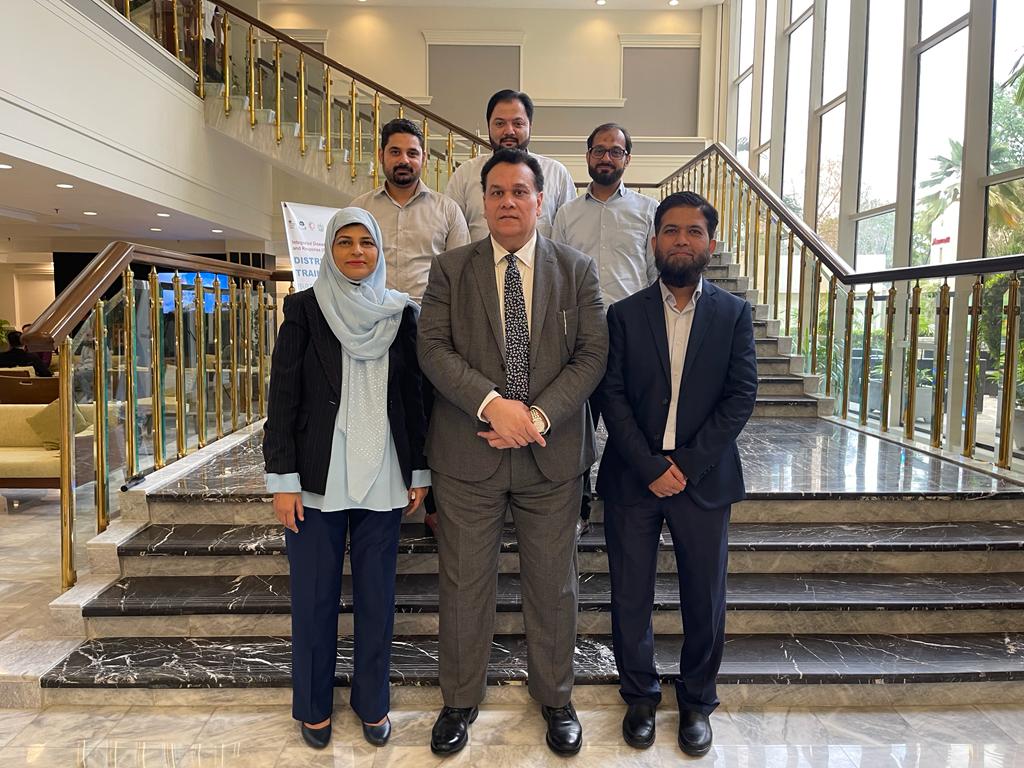 Bank AL-Habib Ltd have attended
a two day F2F workshop on |
|
Security and Exchange Commission of
Pakistan and State Bank of Pakistan have attended a
|

United Bank Limited have
attended a two day F2F workshop on |
|
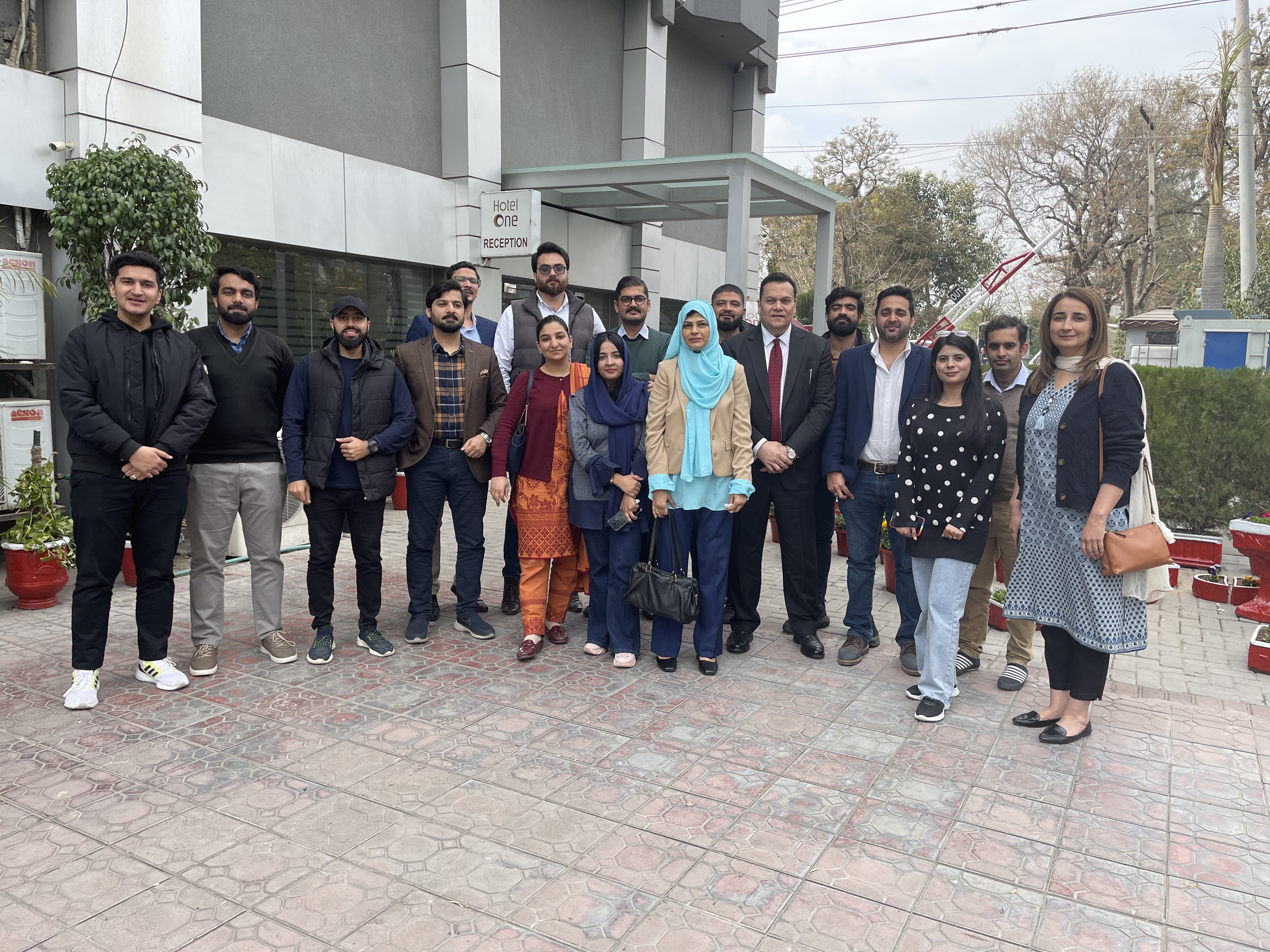 Telenor
Microfinance Bank Limited have attended a two day F2F
workshop on
|
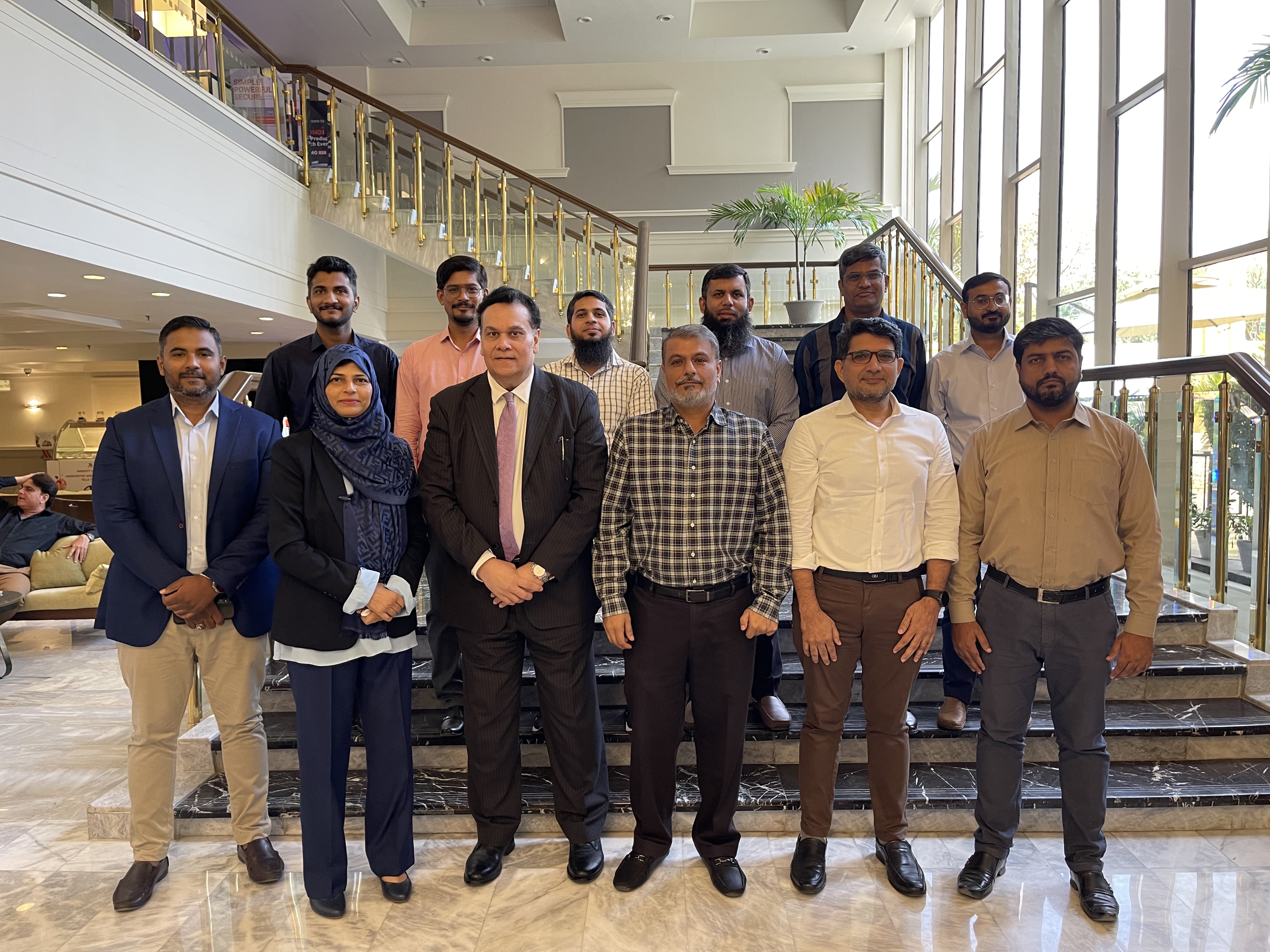 1LINK Private Ltd, DP World, Indus Motors Company Ltd, and Lotte Chemical Pakistan Ltd have attended a two day F2F workshop on "TOGAF Enterprise Architecture Framework" imparted by Adnan Ikram of TLC on September 25 & 26, 2024 at Marriott Hotel, Karachi. |
 National Bank of Pakistan has attended a two-day Face-to-Face workshop on "TOGAF Enterprise Architecture Framework". This workshop was imparted by Adnan Ikram in Karachi at Marriott Hotel on October 24 - 25, 2024. |
|
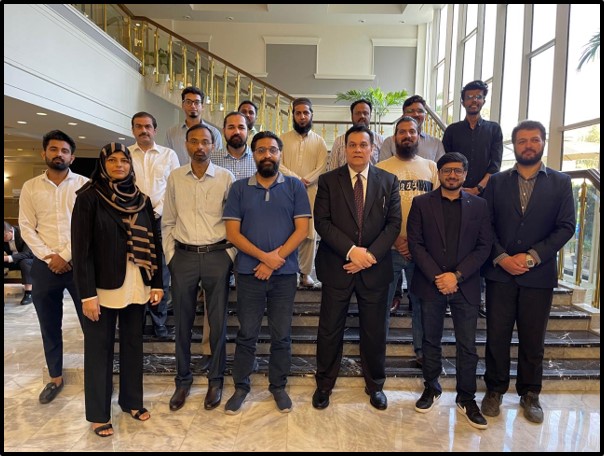 Simpaisa and National Bank of Pakistan have attended a two day workshop on "TOGAF Enterprise Architecture Framework" imparted by Adnan Ikram of TLC on November 8 & 9, 2024 at Marriott Hotel, Karachi. |
|
.jpg) Mari Energies Limited and Khushhali Microfinance Bank Limited have attended a two day workshop on "TOGAF Enterprise Architecture Framework" imparted by Adnan Ikram of TLC on January 28 & 29, 2025 at Margala Hotel in Islamabad.
|
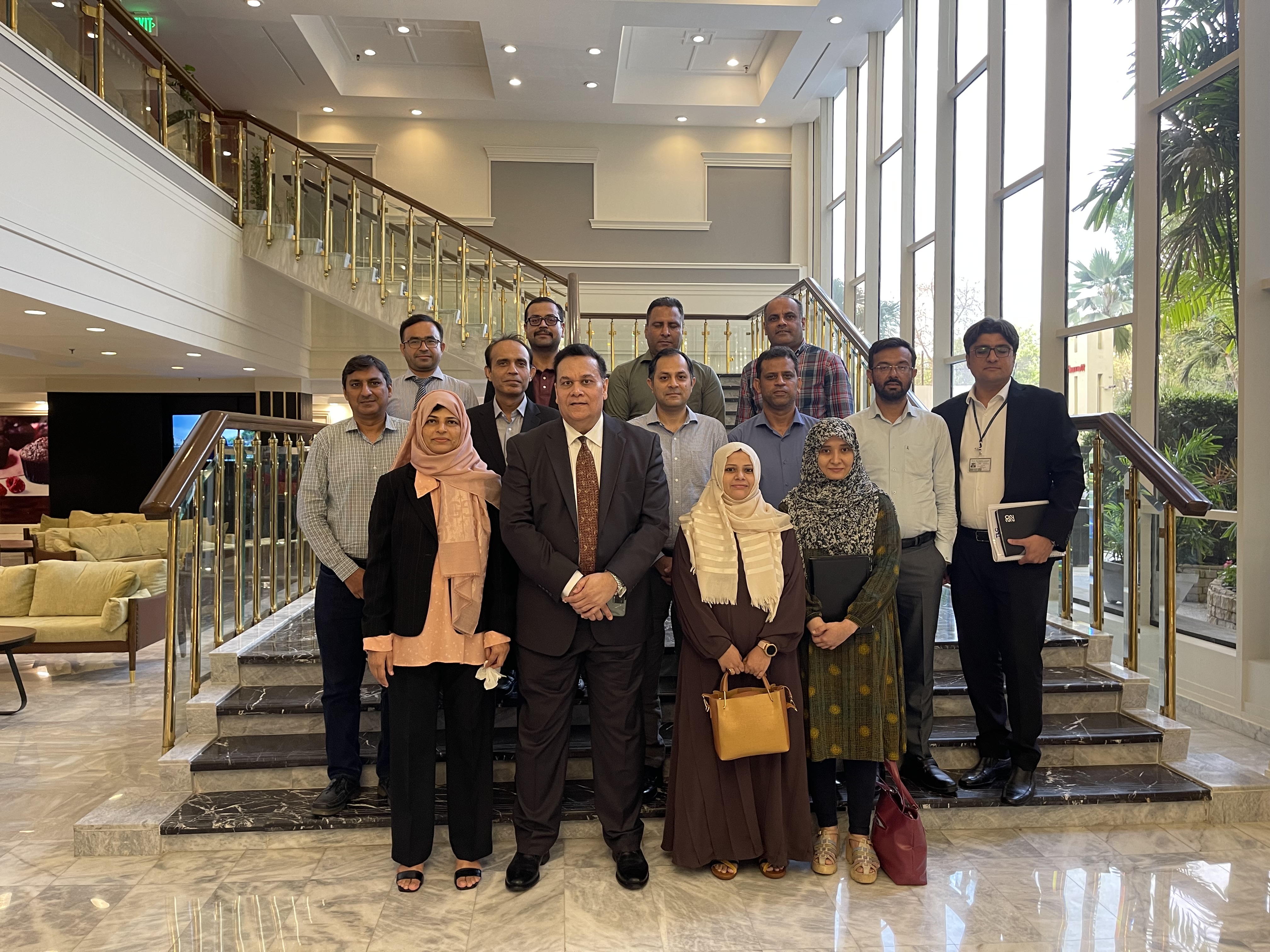
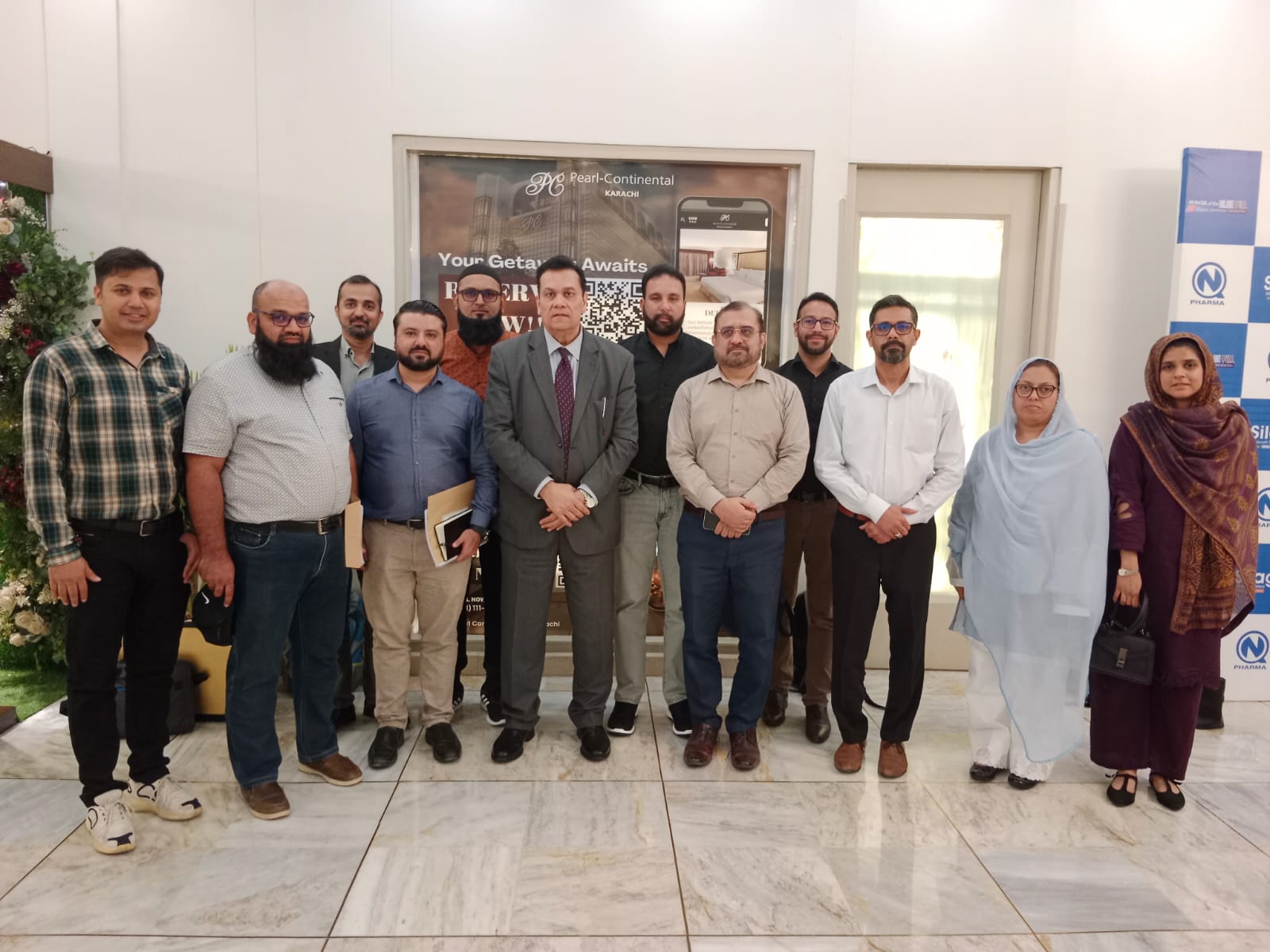 Habib Bank Limited, Easypaisa Bank Ltd, Engro Corporation and Pakistan Single Window have attended a two day workshop on "TOGAF Enterprise Architecture Framework" imparted by Adnan Ikram of TLC on July 23 & 24, 2025 at Pearl Continental Hotel, Karachi. |
|
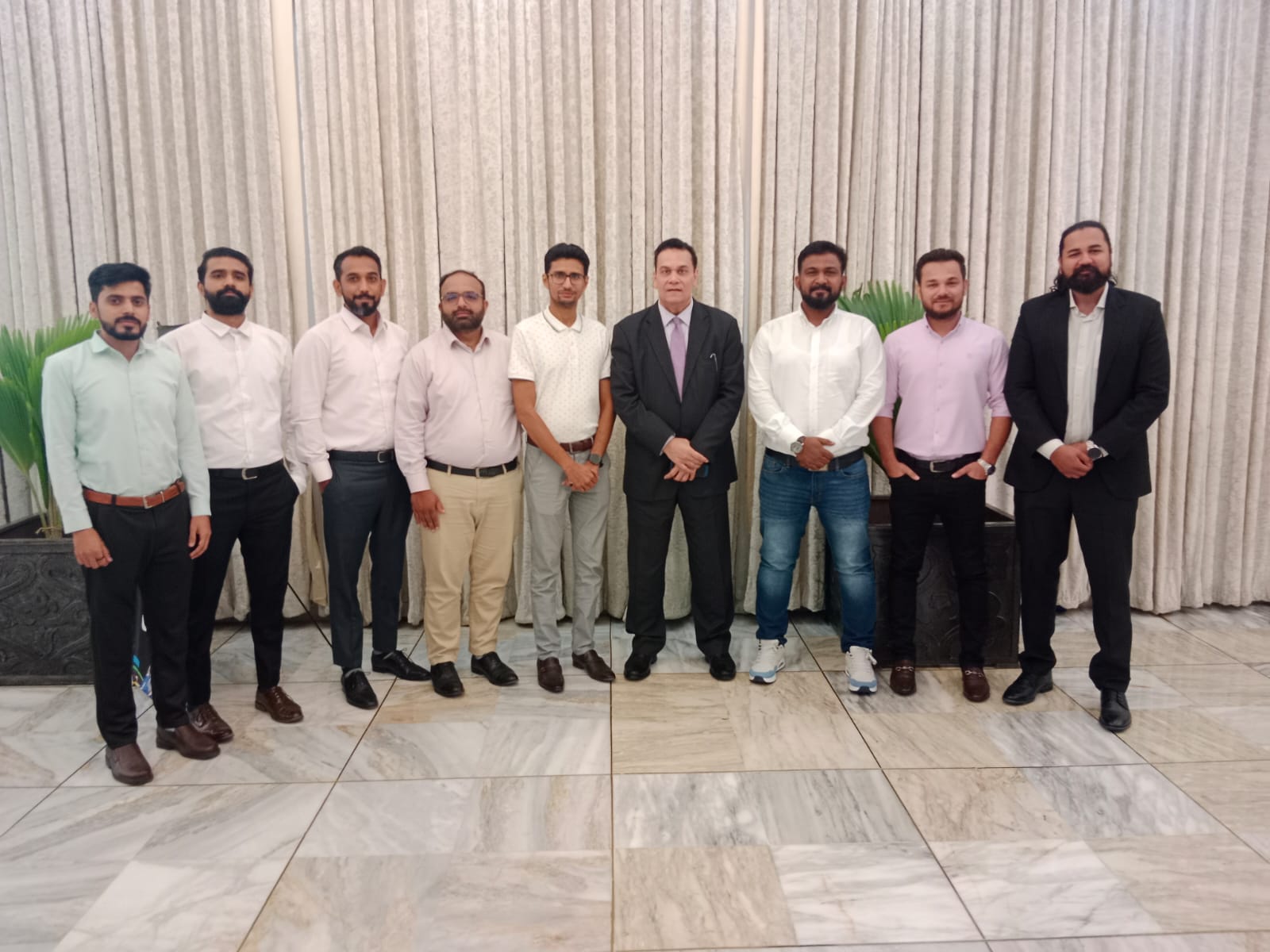 Habib Bank Limited and National Bank of Pakistan have attended a two day workshop on "TOGAF Enterprise Architecture Framework" imparted by Adnan Ikram of TLC on October 8 & 9, 2025 at Pearl Continental Hotel, Karachi.
|
          |























.png)


.png)

 List
of
IBM AIX Operating System
List
of
IBM AIX Operating System
